
The Impact of Smart Home Technology on Modern Lifestyles
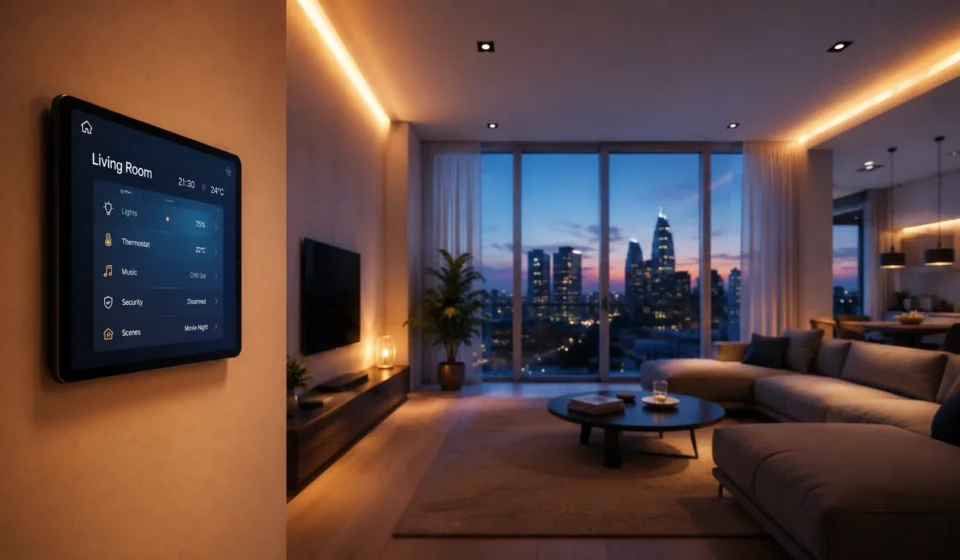
The modern home is undergoing a quiet but significant transformation. Functions that once required manual intervention — adjusting a switch, checking a lock, monitoring an appliance — are increasingly managed through connected devices, mobile applications, and automated routines. Smart home technology has evolved from a niche interest into a mainstream standard, influencing not only daily convenience but also household energy consumption, security practices, and expectations around data privacy. This article examines the core areas driving this shift and the considerations homeowners should weigh as adoption continues to grow.
Smart Lighting, Security, and Appliances
Smart lighting is often the easiest and most popular way to begin a home automation journey. Contemporary smart lighting systems allow users to adjust brightness, color temperature, and scheduling remotely or through voice control, enabling tailored environments for different times of day. Motion-activated lighting further improves efficiency by illuminating spaces only when occupied, reducing unnecessary energy use in transitional areas such as hallways and stairwells.
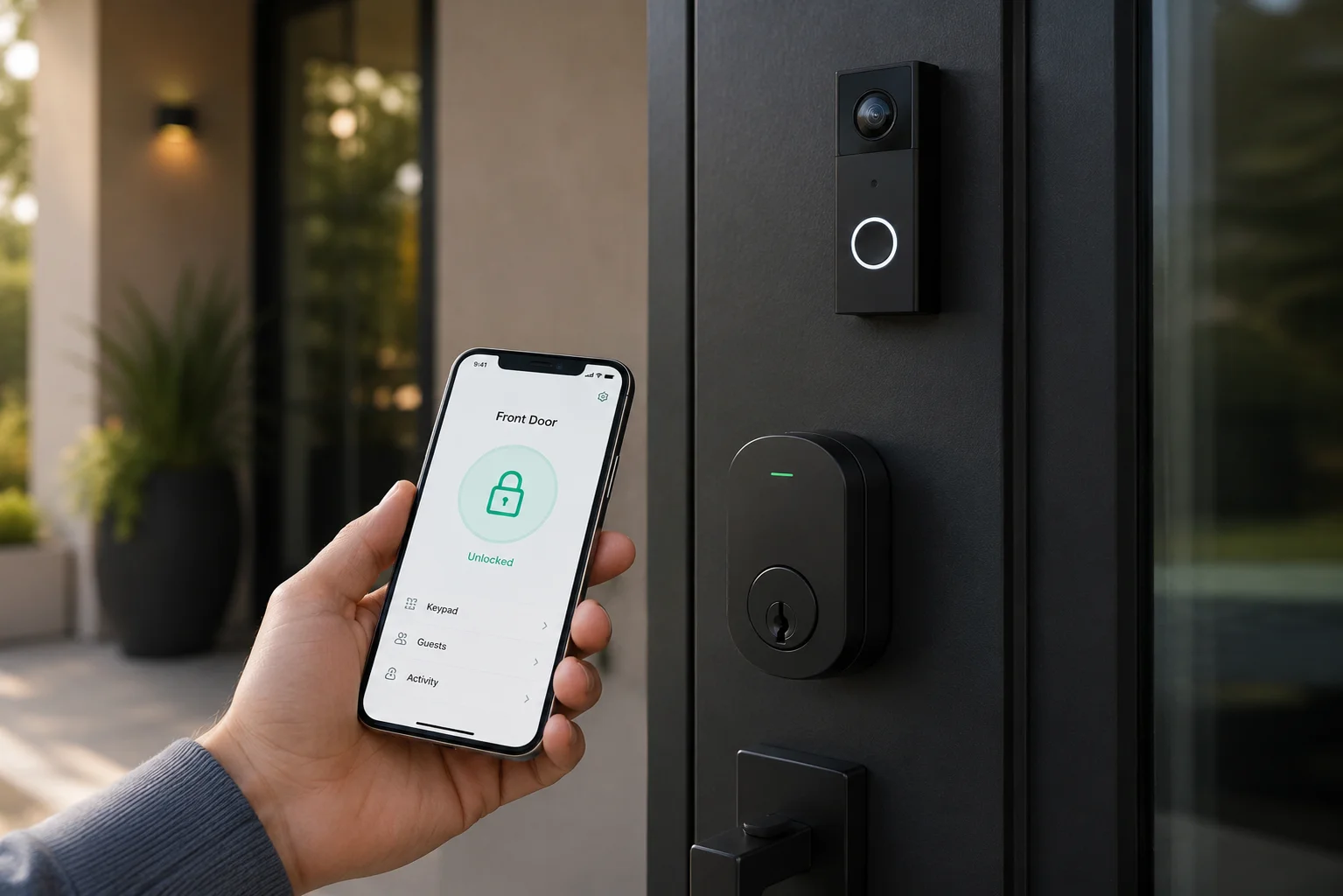
Security systems have advanced in parallel. Video doorbells provide real-time visual and audio communication with visitors regardless of the homeowner’s location, while smart locks replace traditional keys with credential-based or mobile-authenticated access. Connected cameras and door/window sensors enable continuous monitoring and immediate alerts, allowing homeowners to respond to irregular activity as it occurs rather than after the fact.
Household appliances have also been integrated into this connected ecosystem. Refrigerators can monitor inventory and expiration dates, washing machines can issue completion notifications, and ovens can be preheated remotely. Individually, these capabilities may appear incremental; collectively, they reduce the operational burden of daily household management.
Mobile Control and Automation
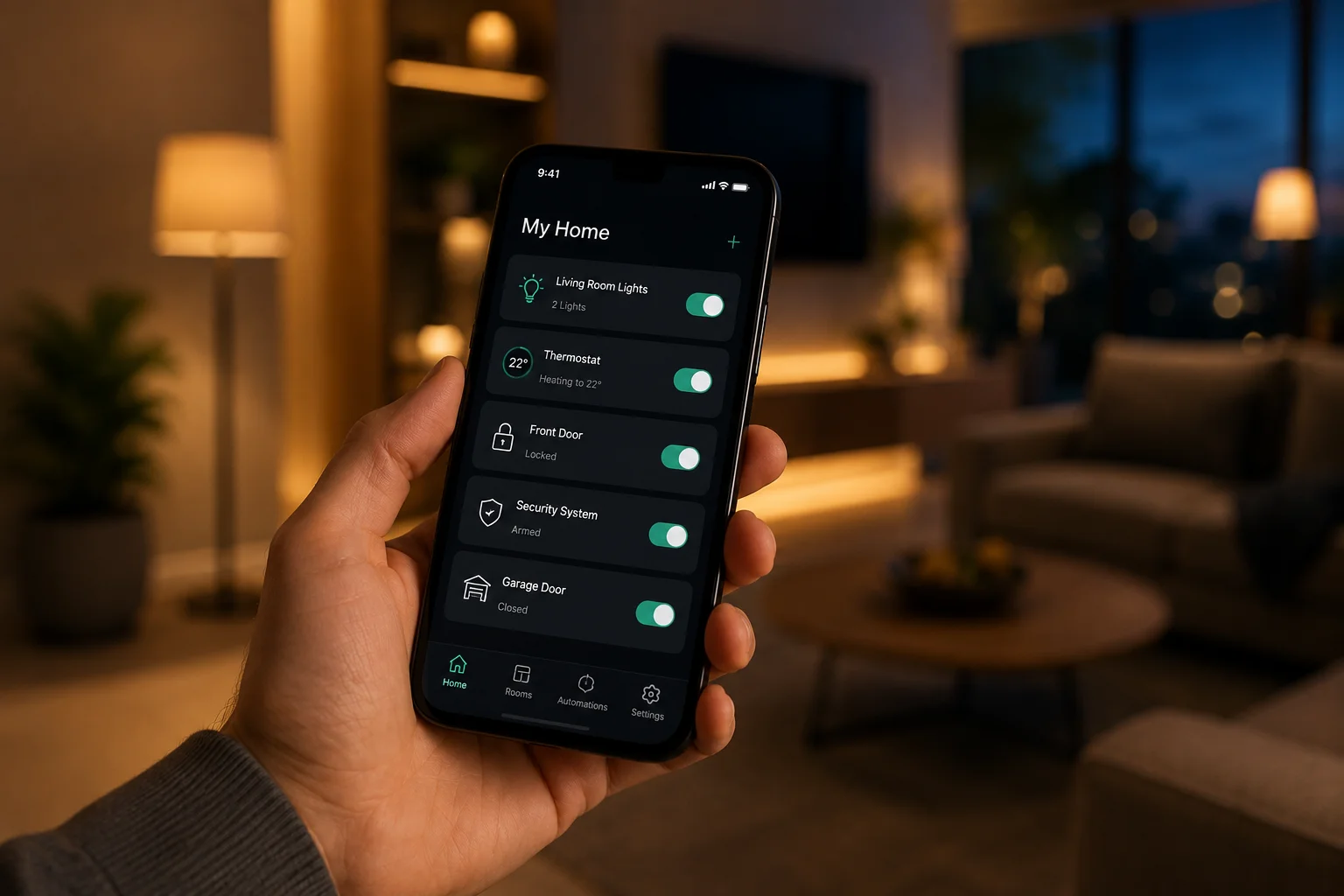
Centralized mobile control is what distinguishes a genuinely “smart” home from a collection of isolated devices. A single application can now manage lighting, locks, climate control, and appliances from one interface, regardless of the user’s physical location. This integration brings multiple devices together into a single, user-friendly control system.
Automation extends this further by minimizing the need for manual input altogether. Rather than adjusting each device individually, homeowners can configure routines triggered by time, location, or voice command that execute multiple actions simultaneously. A single instruction can lock doors, adjust lighting, and modify thermostat settings in sequence. Departure from the home can automatically arm security systems and simulate occupancy patterns. As a result, homeowners spend less time on everyday chores while reducing the risk of mistakes associated with manual routines.
Energy-Saving Benefits
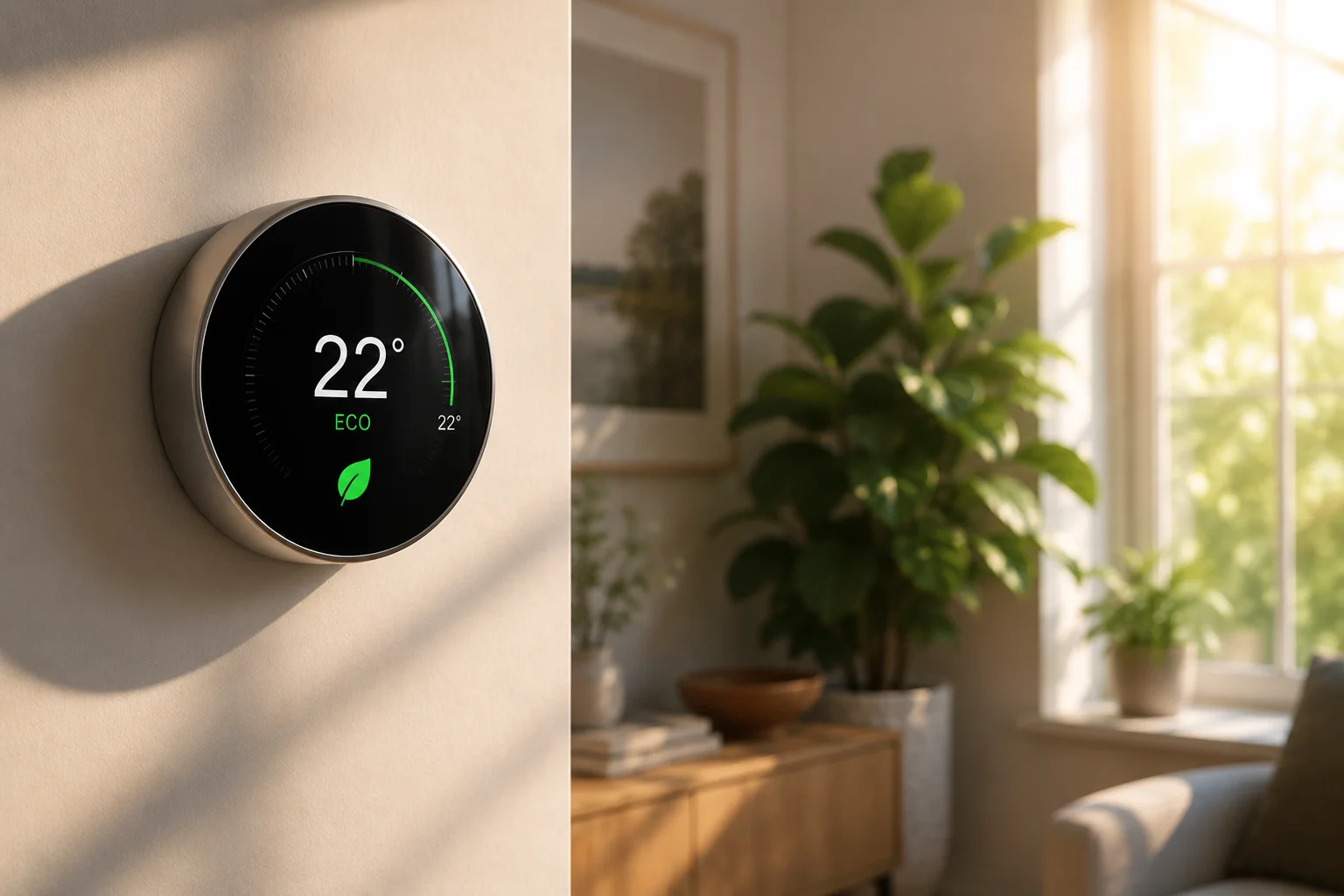
Beyond convenience, smart home systems offer a substantive opportunity for energy efficiency. Smart thermostats learn household occupancy patterns and adjust heating and cooling accordingly, preventing energy waste in unoccupied spaces. Smart plugs can eliminate phantom load — the electricity drawn by devices left in standby mode — while occupancy- and daylight-responsive lighting systems prevent unnecessary illumination.
Individually, these efficiencies may appear modest; in aggregate, they produce a measurable reduction in monthly utility costs. For households seeking to manage both expenses and environmental impact, this passive, automated efficiency represents one of the more compelling arguments for adopting connected home systems.
Privacy and Security Concerns
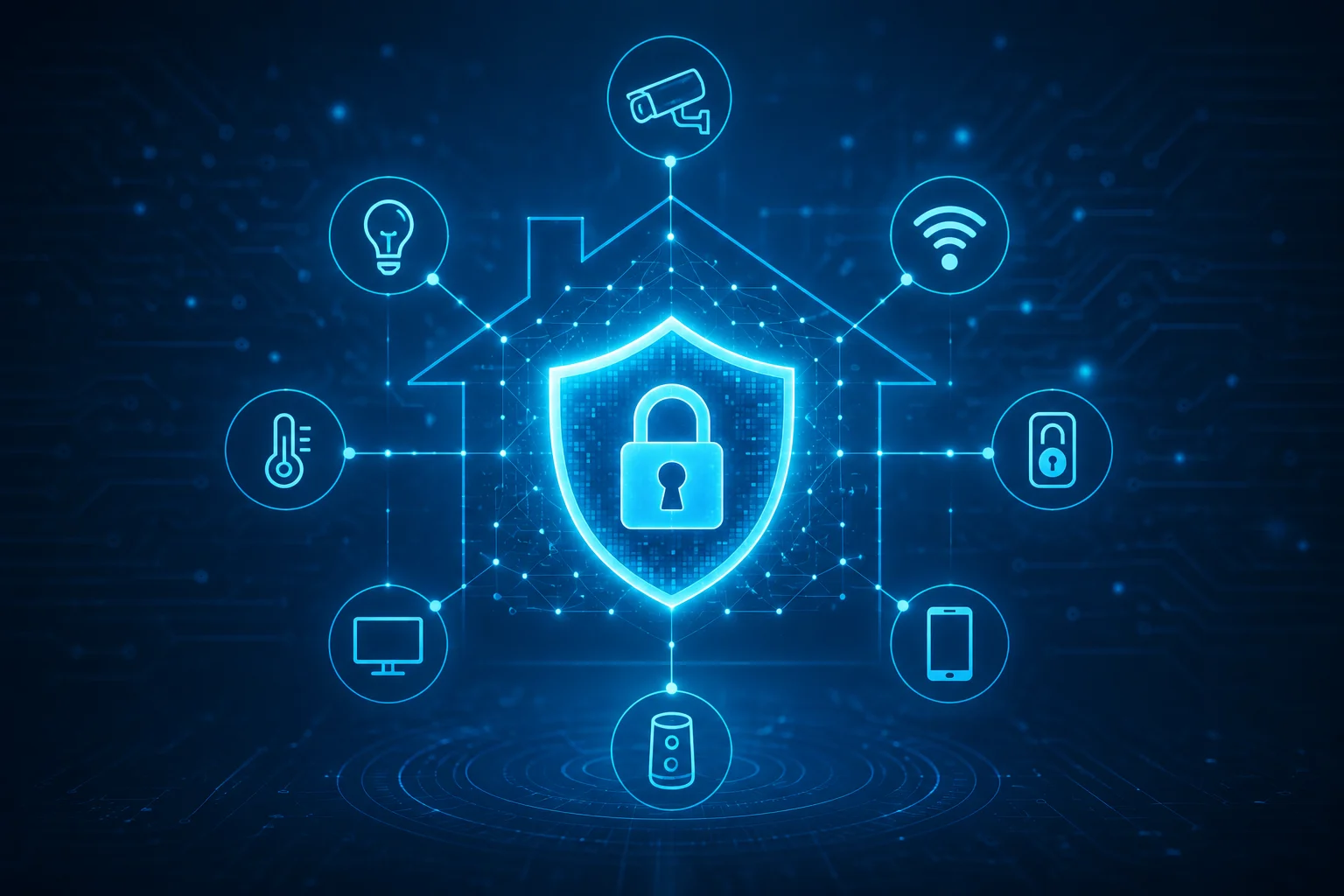
These benefits are accompanied by legitimate risks that warrant careful consideration. Every connected device represents a potential point of vulnerability within a home network. Cameras, microphones, and sensors that enhance convenience also collect substantial data — audio, video, usage patterns, and occupancy schedules — which, if inadequately protected, can be exposed through breaches or misused by third parties.
Common vulnerabilities include weak authentication credentials, outdated firmware, and devices shipped with insufficient default security configurations. A single unpatched device can compromise an otherwise secure network. Additional concerns extend to data ownership and governance: how long collected data is retained, and whether it is shared with third parties for commercial purposes.
These risks do not diminish the value of smart home technology, but they underscore the need for deliberate, ongoing security practices. Strong and unique credentials, regular firmware updates, secured home networks, and careful review of manufacturer privacy policies are essential safeguards. The benefits of a connected home are contingent on homeowners treating security as a continuous responsibility rather than a one-time configuration.
Conclusion
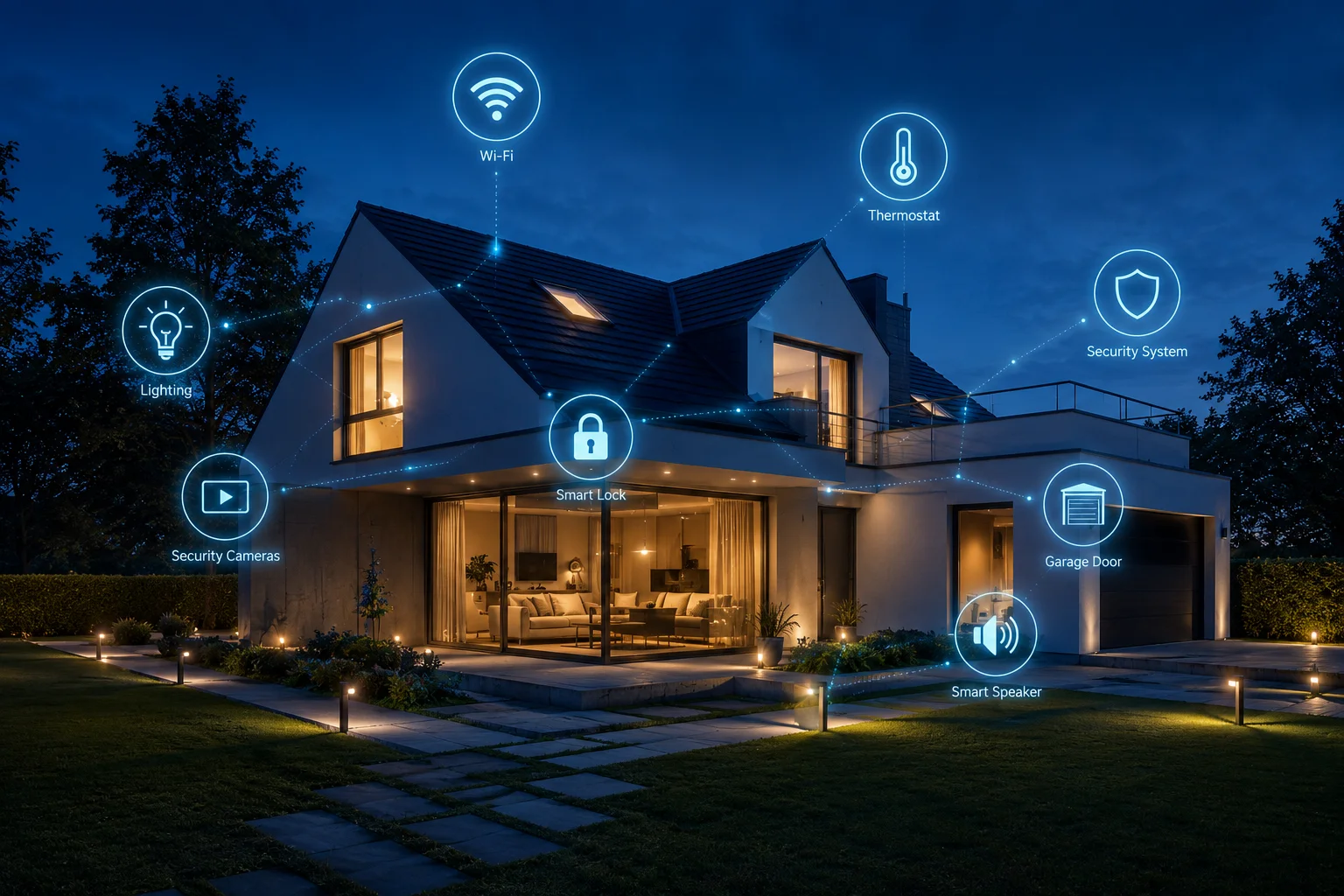
Smart home technology has progressed beyond early experimentation into a functional standard for modern living. Advances in lighting, security, and appliance connectivity have reduced manual oversight, while mobile control and automation have consolidated previously fragmented tasks into unified, efficient systems. The resulting energy savings translate convenience into tangible financial benefit. At the same time, the privacy and security implications of these systems remain significant and require the same level of attention as the features themselves. As adoption continues to expand, the defining challenge for homeowners will be ensuring that the intelligence built into their homes is matched by an equal commitment to safeguarding it.