

Whether you plan to sell next year or simply want a more valuable asset, knowing how to increase home value is one of the smartest financial skills a homeowner can have. The good news is that you do not need a massive renovation budget. Small, well-chosen upgrades can make your property look better, feel more comfortable and sell for more. In this guide, we share 10 practical ways to increase home value, with a focus on projects that give the best return for your money.
Why It Pays to Increase Home Value
Property values rise with the market, but the condition of your house decides how much of that growth you actually capture. Buyers pay more for homes that look cared for, work efficiently and need no immediate repairs. When you increase home value through smart improvements, you also enjoy a more comfortable living space while you still live there. Before you start, read our complete home improvement tips guide to plan your priorities and avoid costly mistakes.
10 Smart Ways to Increase Home Value
1. Boost Your Curb Appeal
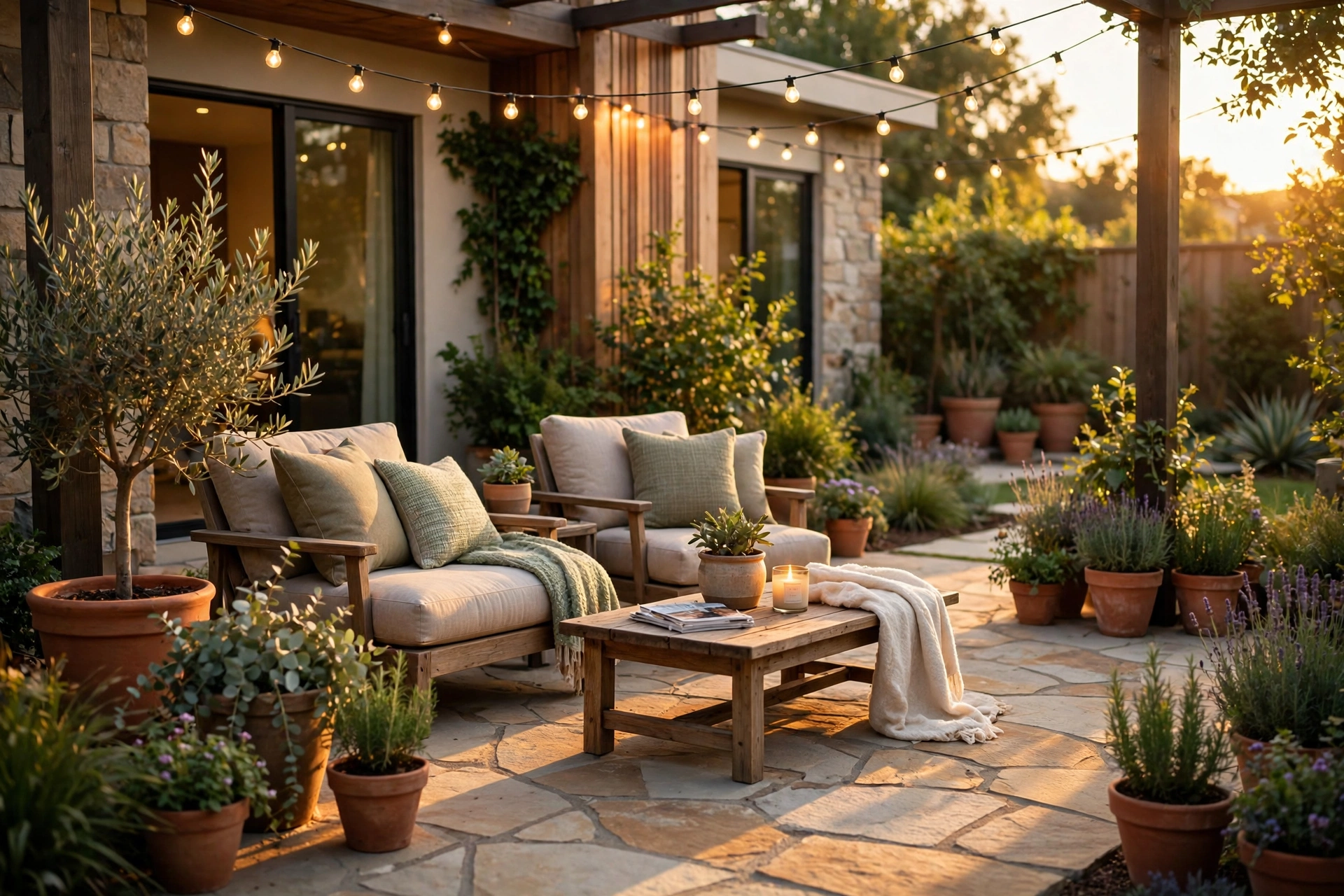
The exterior is the first thing every buyer sees, so it is the cheapest way to increase home value quickly. Mow the lawn, trim hedges, plant seasonal flowers, power-wash the driveway and repaint the front door in a bold, welcoming color. Updated house numbers, a clean mailbox and good outdoor lighting also create a strong first impression.
2. Repaint the Interior
Fresh paint offers one of the highest returns for the lowest cost. Neutral shades such as warm white, soft grey and beige make rooms feel larger and let buyers imagine their own furniture. If you have never done it before, follow our step-by-step guide on how to paint a room for a smooth, professional finish.
3. Update the Kitchen Without a Full Remodel
The kitchen is often the deciding room for buyers. You can increase home value here without gutting everything: paint or reface the cabinets, replace old handles, install a new faucet and add a stylish backsplash. For more affordable ideas, see our guide to a small kitchen remodel on a budget.
4. Refresh the Bathrooms and Fix Moisture Problems
Clean grout, a new vanity light, modern taps and a fresh shower curtain instantly modernize a tired bathroom. More importantly, hidden dampness can scare buyers and lower your price. Learn how to waterproof a bathroom properly so leaks and mold never become a deal-breaker.
5. Improve Energy Efficiency
Energy-saving upgrades help you increase home value while lowering monthly bills. Add attic insulation, seal drafts around doors and windows, switch to LED bulbs and consider ENERGY STAR certified appliances. The US Department of Energy’s Energy Saver guide explains which improvements save the most, and ENERGY STAR lists efficient products to look for.
6. Upgrade the Lighting
Bright, layered lighting makes every room feel bigger and more modern. Replace dated fixtures, add dimmer switches and use warm LED bulbs in living spaces. Good lighting is inexpensive, quick to install and highly visible in listing photos.
7. Refinish or Replace the Flooring
Worn carpet and scratched floors make a house feel older than it is. Refinishing hardwood, installing durable vinyl plank or laying fresh tile in high-traffic areas can increase home value noticeably. Choose a consistent look across main rooms for a clean, connected feel.
8. Create Useful Space and Storage
Buyers love storage. Built-in shelves, closet organizers and a tidy garage or utility area show that the home is practical. Turning an unused corner into a home office or reading nook adds function without any construction.
9. Fix the Small Repairs
Leaky taps, cracked tiles, squeaky doors and peeling caulk make buyers wonder what else is wrong. Spend a weekend fixing every small issue. It costs little, yet it removes objections and helps you protect and increase home value at the same time.
10. Add Smart Home Features
A smart thermostat, video doorbell or smart lock appeals to modern buyers and improves security and efficiency. These upgrades are affordable, easy to install and can set your listing apart from similar homes in the area.
Which Upgrades Give the Best Return?
Return on investment varies by location and market, but cosmetic projects such as paint, lighting, landscaping and minor kitchen updates typically pay back a high percentage of their cost. Large projects like additions often return less than what they cost. Annual research such as the Remodeling Cost vs. Value report can help you compare projects before you spend. Always get at least two or three quotes for bigger jobs.
Mistakes That Do Not Increase Home Value
- Over-customizing: Bold, personal tastes can put off buyers. Keep major finishes neutral.
- Ignoring maintenance: Roof, plumbing and electrical problems outweigh cosmetic upgrades.
- Overspending for the area: Do not install luxury finishes in a neighborhood where homes sell at modest prices.
- Cheap shortcuts: Poor workmanship is easy to spot and can reduce your price instead of helping you increase home value.
- Skipping permits: Unpermitted work can cause problems during a sale.
Frequently Asked Questions
What is the fastest way to increase home value?
Improving curb appeal, applying fresh neutral paint and fixing small repairs are the fastest and cheapest ways to increase home value before listing a property.
Does a kitchen remodel increase home value?
Yes, but a minor update usually brings a better return than a full remodel. Cabinet painting, new hardware and modern lighting give strong results at a low cost.
Should I renovate before selling?
Focus on low-cost improvements that make the home clean, bright and move-in ready. Major renovations rarely return their full cost in a short time.
Final Thoughts
You do not need a huge budget to increase home value. Start with the basics: curb appeal, paint, repairs and efficiency, then add smart upgrades as your budget allows. Plan each project carefully, track your spending and choose improvements buyers actually want. For more practical ideas, keep exploring our home improvement guides and turn your house into a more valuable, comfortable home.



4 Responses