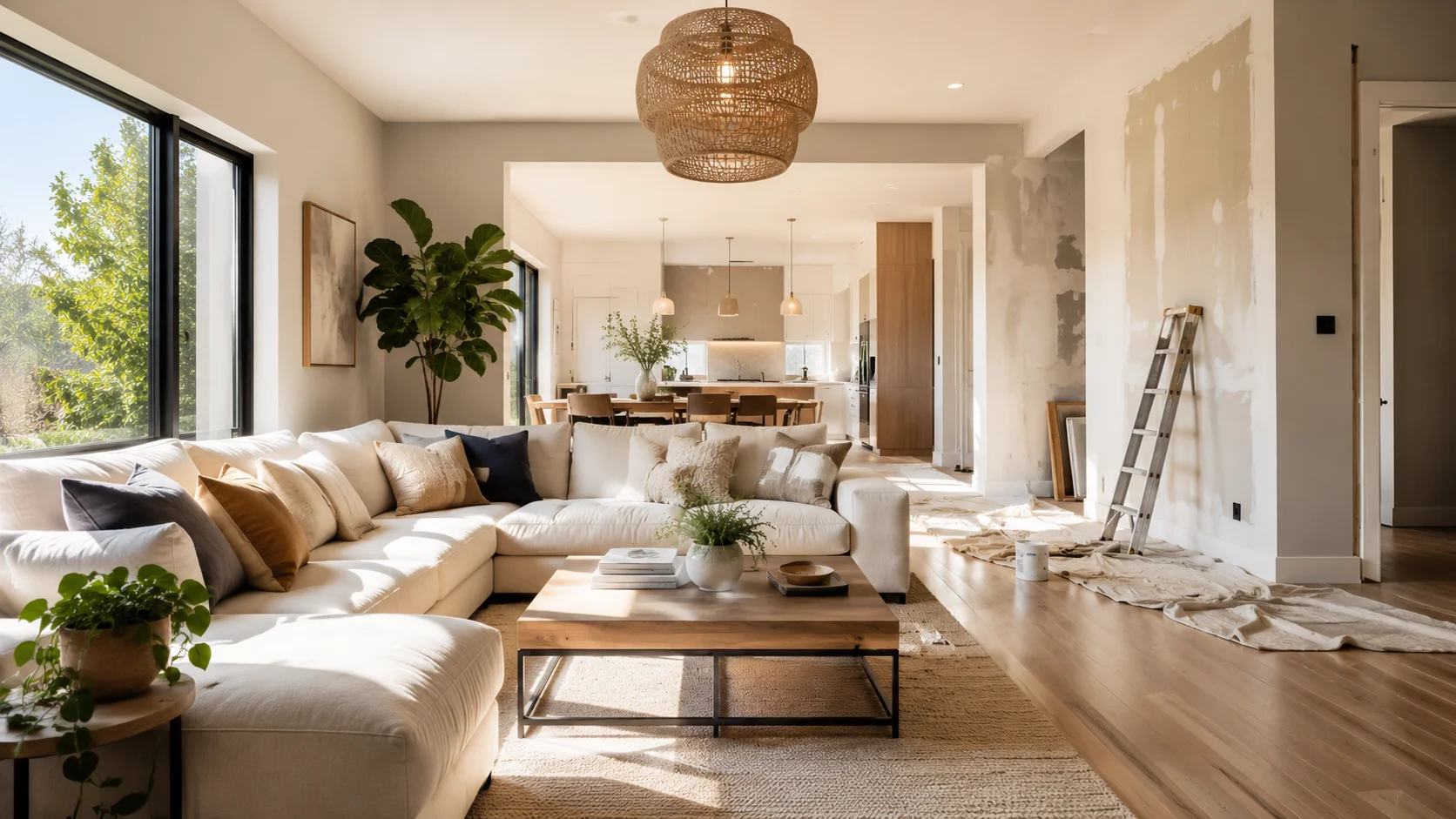
Every homeowner eventually reaches a point where a fresh coat of paint or a new light fixture just isn’t enough. That’s where thoughtful home improvement comes in. Whether you’re planning a small weekend project or a full-scale renovation, upgrading your living space can increase property value, reduce energy costs, and make everyday life more enjoyable. This guide walks through practical, budget-conscious strategies for tackling home improvement projects room by room, along with tips on when to DIY and when to call in a professional.
Why Home Improvement Matters
Investing in your home isn’t just about aesthetics. Well-planned home improvement projects can significantly increase resale value, especially updates to kitchens, bathrooms, and outdoor spaces. Beyond financial return, upgrades like better insulation, updated wiring, and modern fixtures improve daily comfort and safety. Even minor home improvement tasks, such as fixing leaky faucets or replacing worn weather stripping, can prevent costlier repairs down the road.
Budget-Friendly Home Improvement Ideas
Not every upgrade requires a massive budget. Repainting walls in a neutral, modern palette is one of the most cost-effective ways to transform a room instantly. Swapping outdated cabinet hardware, switching to dimmable LED lighting, and replacing old switch plates are small changes that make a noticeable difference. Decluttering and reorganizing closets or garages also counts as a form of home improvement, since it maximizes existing space without spending much money at all.
Kitchen and Bathroom Upgrades
Kitchens and bathrooms typically offer the best return on investment for home improvement spending. Refacing cabinets instead of replacing them entirely can save thousands while still delivering a refreshed look. Installing a new backsplash, upgrading faucets, or replacing countertops with budget-friendly quartz alternatives are popular mid-range projects. In bathrooms, re-grouting tile, updating vanity lighting, and adding a frameless shower door can make the space feel newer and more luxurious without a full gut renovation.
Energy-Efficient Home Improvements
Sustainability has become a major focus in modern home improvement projects. Upgrading to ENERGY STAR-rated appliances, sealing air leaks around windows and doors, and adding attic insulation are all improvements that pay for themselves through lower utility bills. The U.S. Department of Energy offers detailed, homeowner-friendly guidance on weatherproofing, insulation standards, and rebate programs that can offset the cost of these upgrades. Smart thermostats and LED lighting are also low-cost entry points into energy-efficient home improvement.
Outdoor and Curb Appeal Improvements
First impressions matter, and curb appeal is one of the most talked-about categories of home improvement. Simple projects like power-washing siding, repainting the front door, updating house numbers, and adding fresh mulch or native plants can dramatically improve exterior appearance. For larger projects, replacing an old garage door or upgrading a deck are known to offer strong returns when it’s time to sell. Outdoor lighting along walkways also adds both curb appeal and safety.
Safety Considerations for Older Homes
If you’re renovating a home built before 1978, it’s important to be aware of potential lead-based paint hazards before starting any demolition or sanding work. The Environmental Protection Agency provides guidance on lead-safe renovation practices for older properties. Beyond lead paint, older homes may also have outdated electrical panels or plumbing that should be inspected by a licensed professional before undertaking major home improvement work.
DIY vs. Hiring a Professional
Part of planning any home improvement project is deciding what you can realistically do yourself. Painting, landscaping, and basic fixture swaps are generally safe DIY territory. However, electrical work, structural changes, gas line adjustments, and major plumbing should be handled by licensed contractors to ensure the work meets local building codes and stays safe long-term. A good rule of thumb: if a mistake could affect your home’s structural integrity or safety systems, it’s worth hiring a professional.
Final Thoughts
Home improvement doesn’t have to mean an overwhelming, expensive overhaul. By focusing on high-impact areas like kitchens, bathrooms, energy efficiency, and curb appeal, homeowners can steadily increase their property’s value and comfort over time. Start small, prioritize safety, and tackle projects in a way that fits your budget and timeline, and your home will thank you.